What Do Local Option Sales Tax Dollars Do for Economic Development?
The Role the Penny Plays in Economic Development in Escambia County
It’s a good question. Roads, drainage, parks and public safety projects are easy to see. The return on economic development can be less obvious.
But it can be measured.
L.O.S.T. often functions as one piece of a much larger investment, helping Escambia County leverage outside public and private dollars.
From 2014 through 2026, Escambia County’s total investment (including L.O.S.T.) through the Pensacola-Escambia Promotion & Development Commission (PEDC) has generated projects that are estimated to produce more than $36.6 million in new pre-incentive ad valorem tax revenue. That’s a 528% return on investment (ROI). Those investments also helped support thousands of new and retained jobs and hundreds of millions of dollars in annual payroll flowing through our local economy.
That’s why a relatively small portion of Local Option Sales Tax revenue is invested in economic development. The goal is to make strategic investments that create jobs, expand our tax base and generate new revenue that helps support the public services and infrastructure our entire community uses.
Importantly, no L.O.S.T. dollars go directly to businesses. They go towards supporting economic development activities and product development, such as site preparation, roads, and water and sewer lines. Local investment helps make a major project possible alongside state, federal and private funding, and can serve as the local match for grants such as Triumph Gulf Coast. The community receives jobs, infrastructure and an expanded tax base in return.
So, what does that look like here in Escambia County?

An excellent and recent example of how the Local Option Sales Tax creates good jobs is easily seen by anyone driving past Pensacola International Airport.
It’s hard to miss ST Engineering’s three aircraft maintenance hangars, used to overhaul and repair large commercial jet aircraft, or the fourth now under construction.
ST Engineering’s broader Project Titan campus has been funded through a mix of L.O.S.T., Triumph, and private monies—not local taxpayers—and the completed campus is projected to support more than 1,700 jobs.
But ST Engineering isn’t the only example. Other important and recent L.O.S.T. economic development expenditures include:
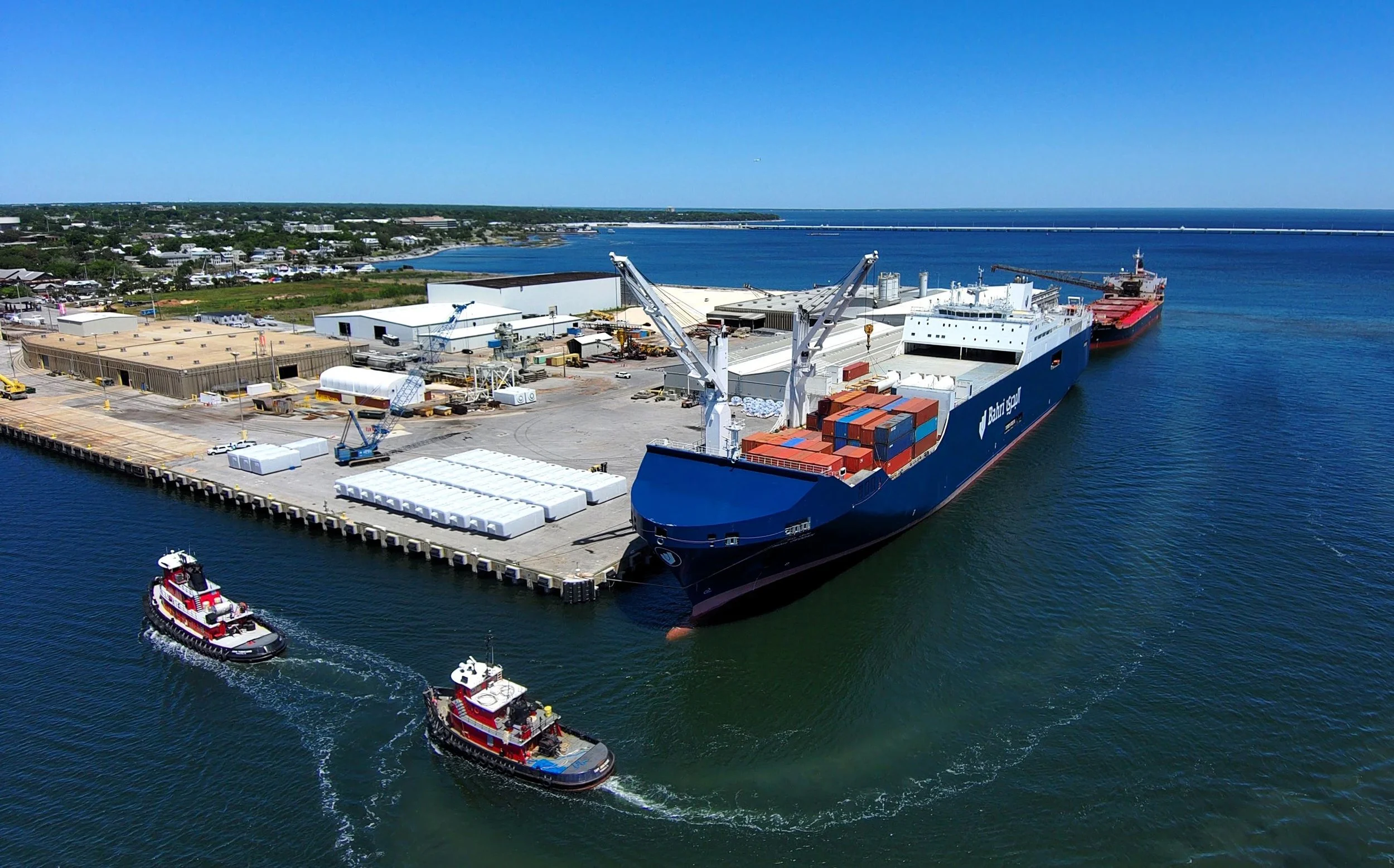
Port of Pensacola: Allocated $1.0 million in L.O.S.T. dollars for maritime and dock infrastructure improvements intended to bolster local employment in shipping, marine trades and cargo handling while creating new jobs.
Central Commerce Park: Located in the Cantonment community, Central Commerce Park is a 230-acre County-owned industrial park funded in part by Local Option Sales Tax revenues.
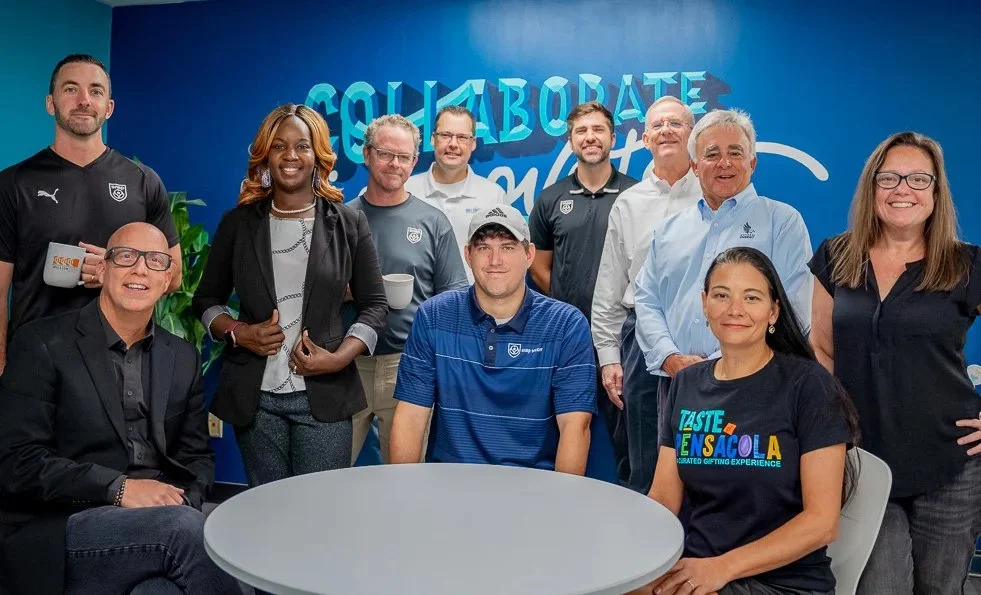
CO:LAB: Situated off Garden Street in downtown Pensacola, CO:LAB is a business incubator and growth accelerator supporting local entrepreneurs as they build the businesses of tomorrow that will help sustain local high-paying jobs, with a focus in the technology sector to sustain long-term economic growth for Escambia County.
Economic development is only one of the many ways Local Option Sales Tax dollars are put to work in Escambia County. The larger share supports the things residents see and use every day, like public safety, transportation, drainage, parks, recreation and other community infrastructure.
But the smaller portion invested in economic development serves a different but no less important purpose: growing the economy that sustains those community services for years to come, provides careers for our residents and helps spread the cost of public services across a larger tax base, effectively lowering the overall tax burden on Escambia’s residents.
When those investments attract new employers, help existing businesses grow and create good jobs, the benefits extend beyond the individual project. New businesses and property owners contribute ad valorem taxes. Employees earn and spend money locally. Our tax base grows. That is the longer-term return on every penny invested in economic development.
For more than three decades, Escambia County voters have used the Local Option Sales Tax to invest in the community we share. Economic development is one part of that investment, and its impact can be measured in jobs created, businesses supported, payroll generated, and new tax revenue returned to our community.