

Your Neighborhood, Supported by the Penny
How the Penny & Dedicated HOA Delivered $3.82M in Improvements for Wedgewood Neighborhood
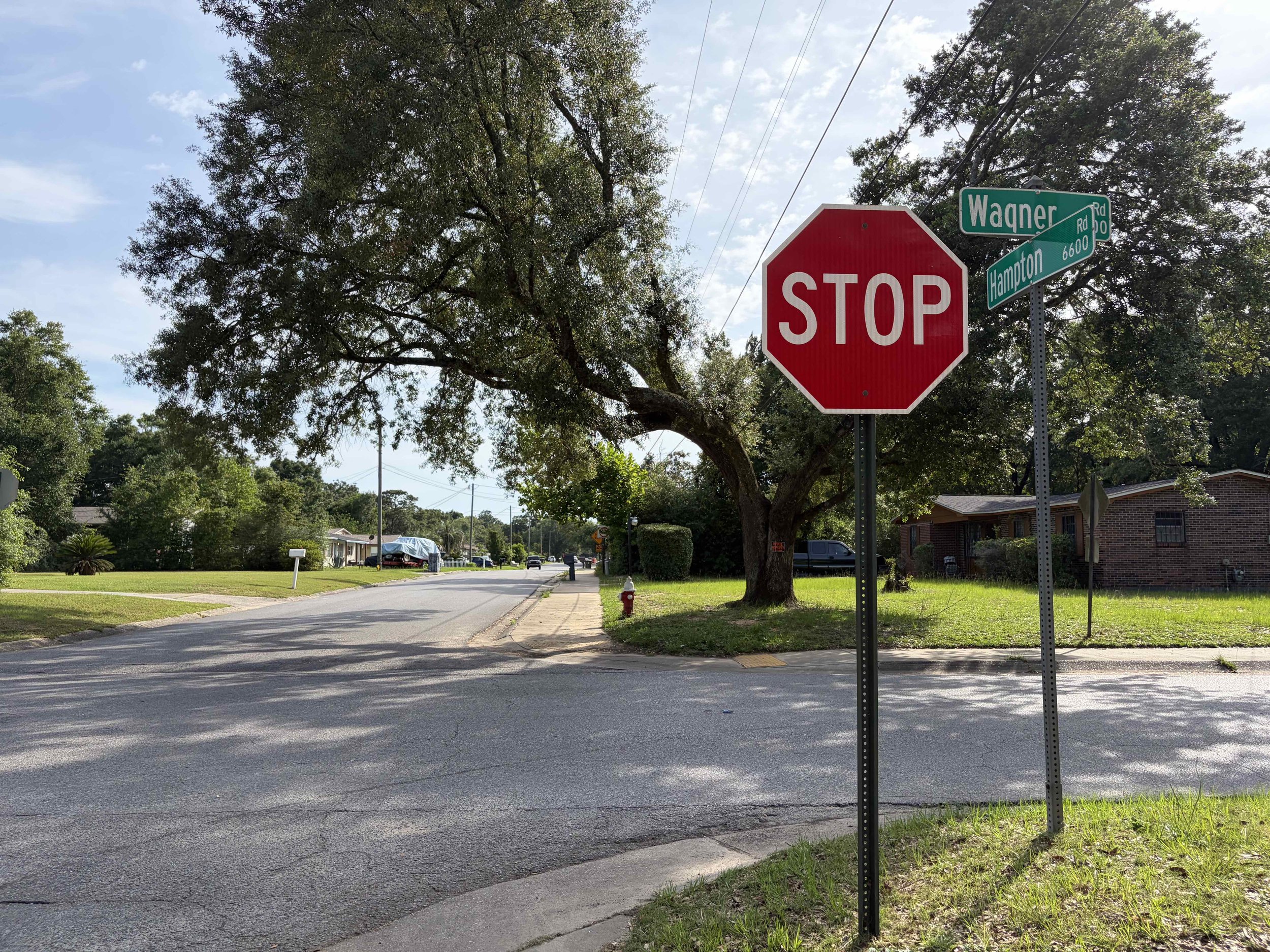
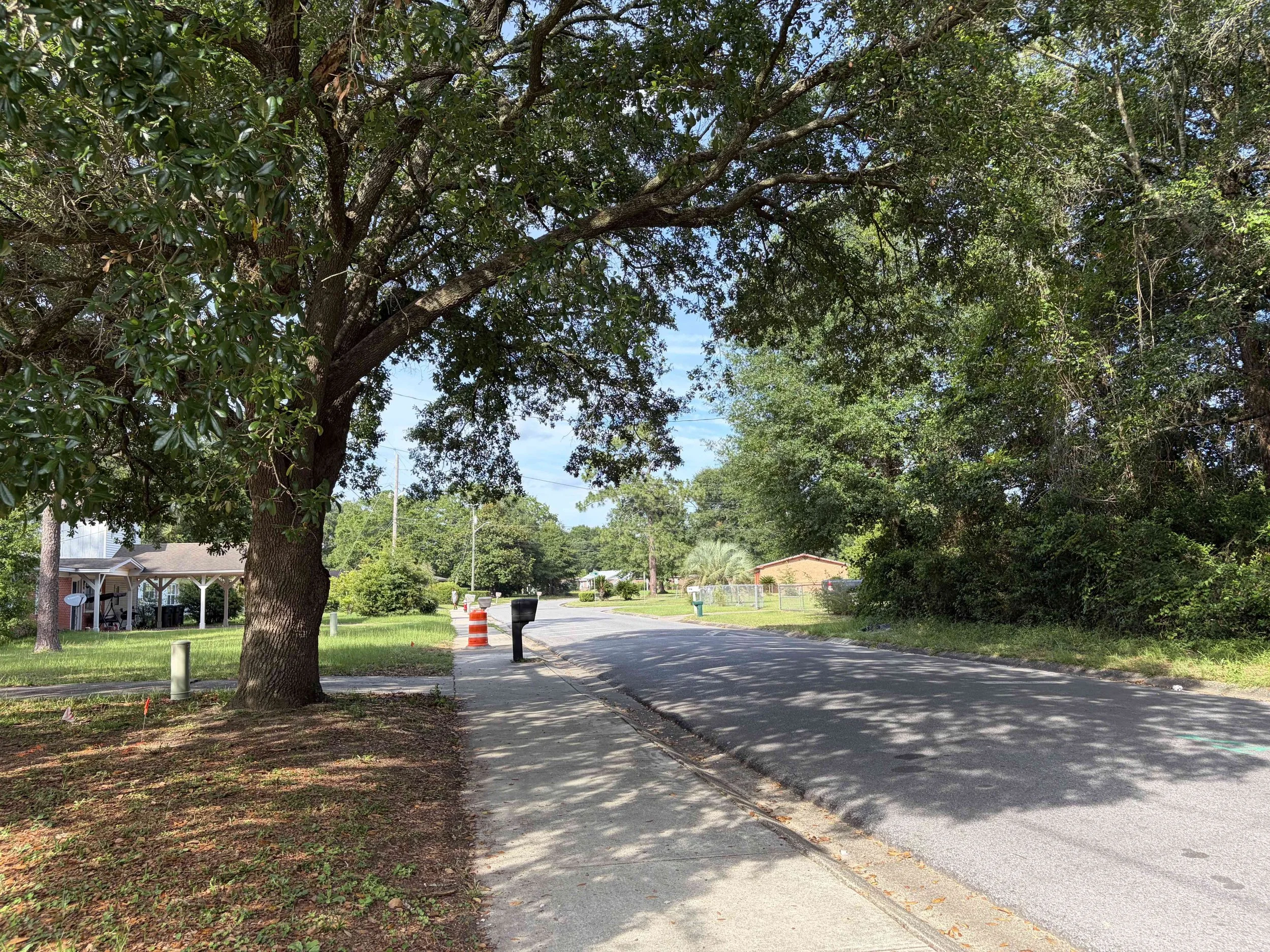
Images of sidewalks installed on Hampton Road and Wagner Road in the Wedgewood neighborhood.
When city and county officials go looking for public improvement projects that can be funded by Local Option Sales Tax revenues, some of their best sources of information are the active and engaged homeowners associations.
A good example is the Wedgewood Homeowners Association led by President Viola Simpkins. The association meets every second Thursday of the month and discusses concerns, ideas and improvement projects that need funding.
Simpkins says the group during the past few years has worked closely with District 3 Commissioner Lumon May to identify persistent drainage problem areas in the Wedgewood/Rolling Hills area.
That collaboration led to approval in 2024 of a $3.82 million stormwater improvement grant funded by the Florida Department of Environmental Protection and Escambia County's one cent Local Option Sales Tax. That stormwater improvement project in the Wedgewood and Rolling Hills communities is underway.
In recent years LOST dollars also provided for sidewalk installation on Hampton Road from Rolling Hills to Wagner Road, Wagner Road from West Pinestead Road to Wingfoot Way and Dunbar Road to Hampton Road to West Pinestead Road.
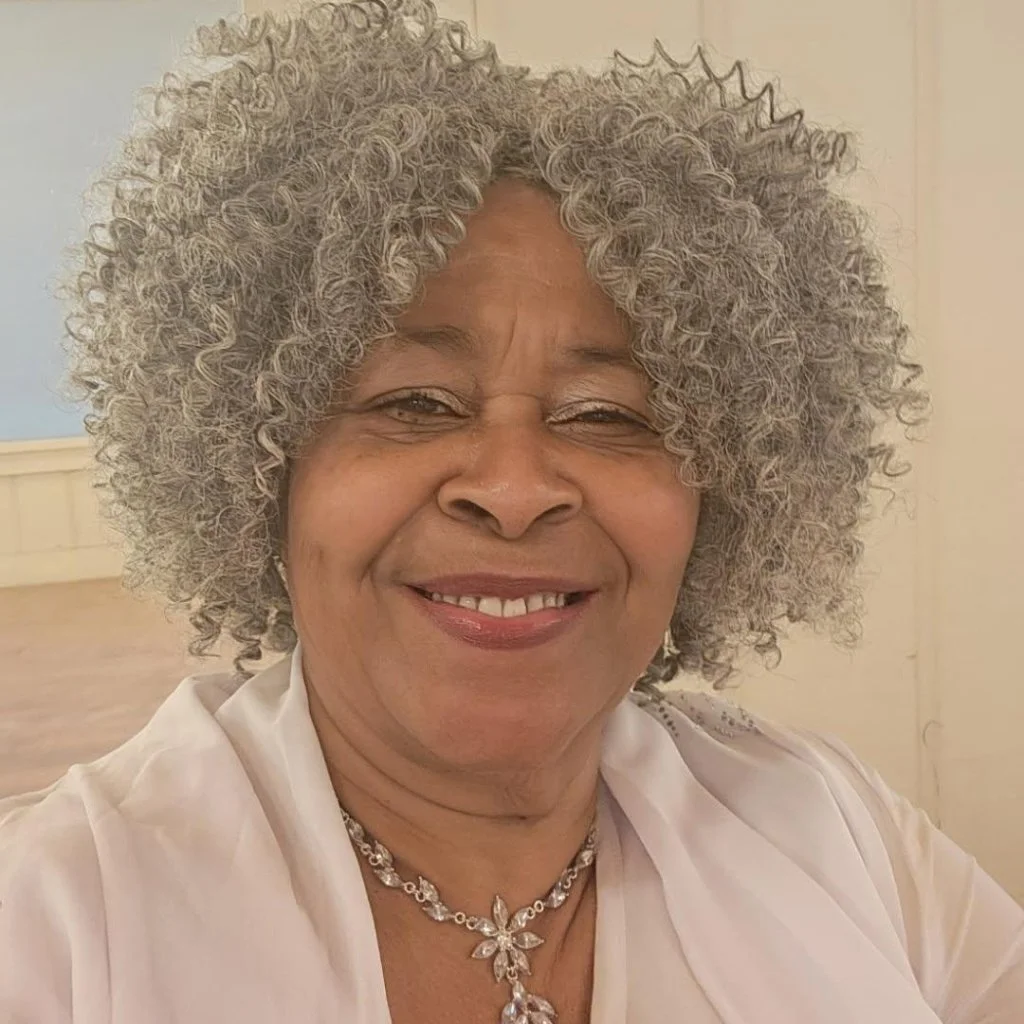
The Wedgewood neighborhood recently received approval for a $3.82 million grant for much-needed stormwater improvements, thanks to HOA President Viola Simpkins, who worked with District 3 Commissioner Lumon May to secure the funding. The project is funded by the Florida Department of Environmental Protection and Escambia County's one-cent Local Option Sales Tax.
The installation of sidewalks in the Wedgewood and Rolling Hills neighborhoods has made a significant and positive impact on the public safety, recreational and aesthetic features of those neighborhoods, says Simpkins.
Despite the recent sidewalk and stormwater management improvement projects, Simpkins says there remain other needed projects that will need funding by LOST revenues.
"We've got some neighborhoods in this area that are not connected to the sewage system and are boxed in between older neighborhoods and new developments that are connected," says Simpkins.
Another concern often discussed by the association, Simpkins adds, is that of elderly homeowners on fixed incomes and having difficulty maintaining the exterior and structural hardness of their homes.
However, LOST funds, by law, are designated solely for public benefit projects and cannot be used for private property improvements.
There are other home improvement funds – such as My Safe Florida Home – that make tax-free grants available to homeowners.
